

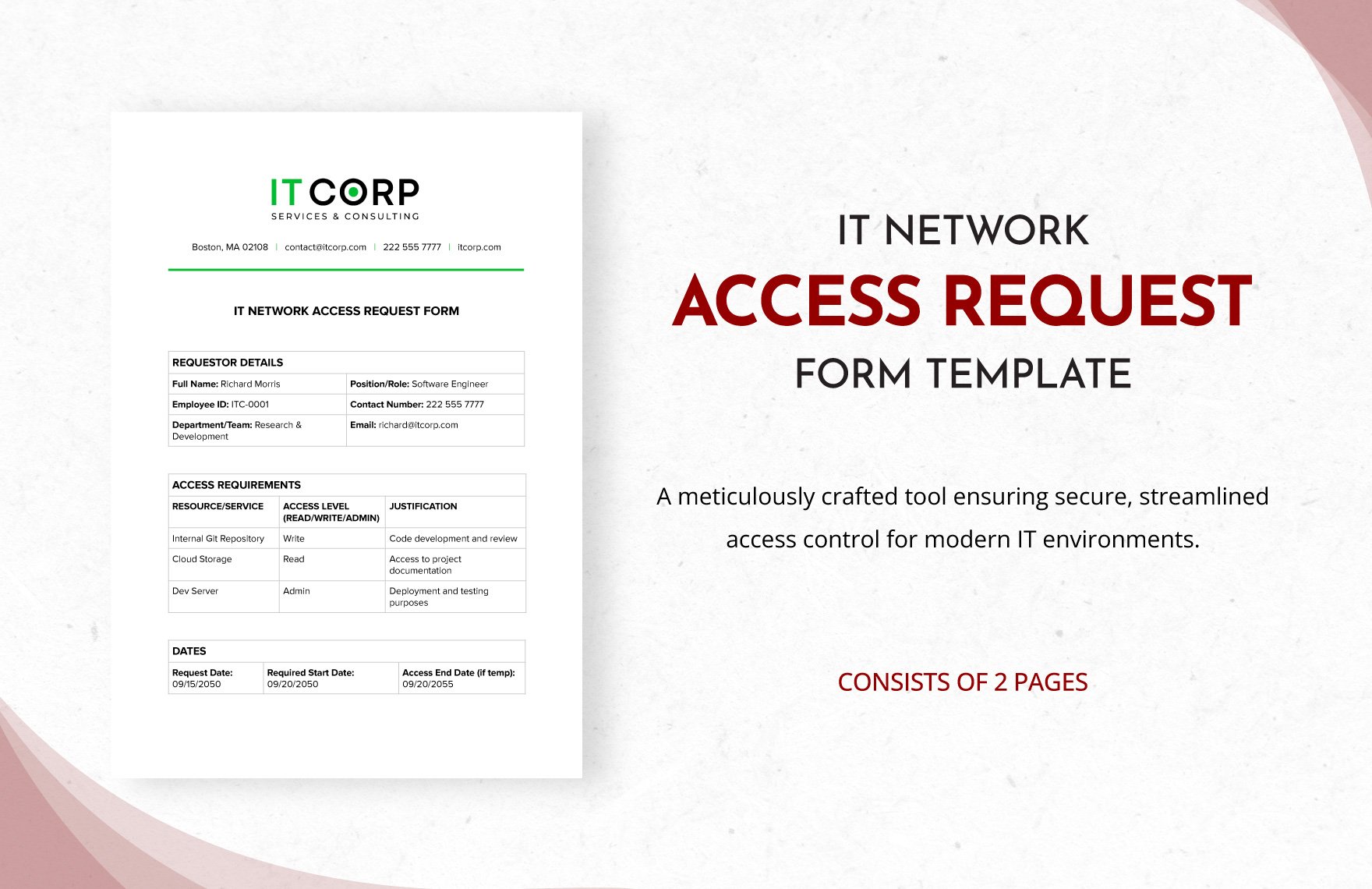
Understanding Access Requests: A Comprehensive Guide
An access request is a formal application allowing individuals to gain access to certain information or resources they are entitled to. This process is prevalent across various sectors, including government, education, healthcare, and technology. Navigating the access request landscape can be complex, but understanding its fundamentals is crucial for both individuals and organizations. For those needing assistance with sensitive matters, such as an Access Request Interpol Red Notice Removal, knowing how to make an effective access request is vital.
What is an Access Request?
An access request refers to the formal procedure through which individuals or entities seek to obtain access to specific data or information. This may include personal information held by a public authority, educational records, medical histories, or proprietary data in corporate environments. Access requests are governed by various laws and regulations aimed at safeguarding the privacy and rights of individuals.
The Importance of Access Requests
Access requests serve multiple purposes, from ensuring transparency in governmental operations to empowering individuals to manage their personal data. Understanding the significance of these requests is vital:
- Transparency: Access requests increase accountability within organizations and governments, ensuring that decision-making processes are transparent and open to scrutiny.
- Empowerment: By allowing individuals to access their information, access requests empower them to understand and control how their data is used.
- Rights Protection: Access to information can serve as a critical tool in protecting an individual’s rights, particularly against potential misuse of their data.
Types of Access Requests
Access requests can vary significantly based on their context and the type of information sought. Here are some common types:
- Freedom of Information Requests: Often used in public sectors, these requests allow citizens to access information held by government bodies.
- Subject Access Requests: Under laws such as the GDPR, individuals can request access to their personal data held by organizations.
- Academic Records Requests: Students may request their educational records from schools or universities to ensure accurate data management.
- Corporate Data Access Requests: Employees may seek access to human resource records or data used in performance evaluations.
How to Make an Effective Access Request
Making an effective access request requires clarity and precision. Follow these steps to ensure success:
- Identify the Information Needed: Be specific about what data or information you are seeking. The clearer your request, the more likely it is to be fulfilled promptly.
- Know Your Rights: Familiarize yourself with the relevant laws that govern access requests in your jurisdiction. Knowing your rights can strengthen your position.
- Provide Necessary Details: Include all relevant information, such as your identity, relationship to the data, and any other details that may assist in processing your request.
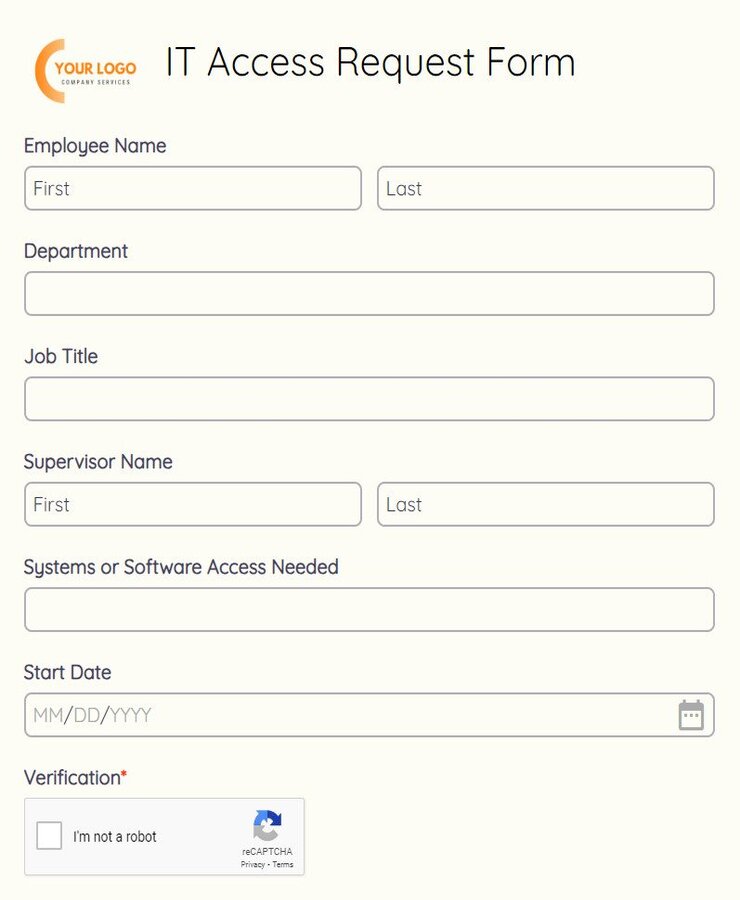
- Follow Protocol: Adhere to the procedures established by the organization or authority from which you are requesting information. This may include filling out specific forms or directed submission methods.
- Be Patient but Persistent: Processing times for access requests can vary. Be patient but follow up appropriately if you experience delays.
Challenges in Access Requests
Despite their importance, access requests can encounter various challenges, including:
- Delays in Response: Organizations may not always respond promptly, leading to frustration for those seeking information.
- Lack of Clarity: Ambiguities in the request may result in incomplete responses or denial of access.
- Legal Hurdles: Certain information may be exempt from disclosure due to privacy laws or regulations, which can complicate requests significantly.
Legal Framework Governing Access Requests
Understanding the legal frameworks that govern access requests is critical. In many jurisdictions, access to information is protected by laws designed to uphold transparency and privacy rights. Some examples include:
- Freedom of Information Act (FOIA): In the United States, FOIA provides citizens with the right to request access to records from federal agencies.
- General Data Protection Regulation (GDPR): In the European Union, GDPR mandates organizations to provide individuals with access to their personal data upon request.
- Privacy Act: This U.S. law governs how federal agencies handle personal information, providing individuals the right to access and request corrections to their data.
Conclusion
Access requests are a fundamental component of modern data governance and privacy rights. Understanding how to effectively make a request can empower individuals to take control of their information and ensure transparency within organizations. As the digital landscape continues to evolve, the importance of access requests will only grow, highlighting the need for individuals and entities to familiarize themselves with the processes and regulations involved. By doing so, one can navigate the complexities of access requests with confidence and assert their rights effectively.